Nigeria Confirms Ebola Case in Abuja: What Every Nigerian Needs to Know
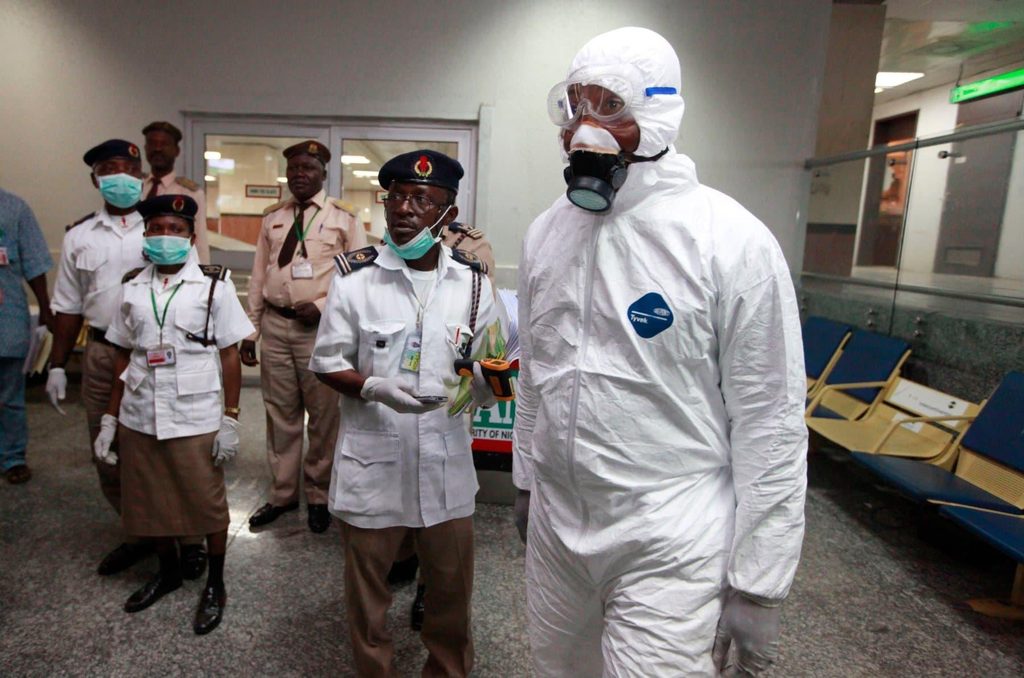
Nigeria Confirms Ebola Case in Abuja: What Every Nigerian Needs to Know
By understanding the facts, staying alert and avoiding misinformation, Nigerians can help protect their communities.
Nigeria has confirmed an imported case of Ebola virus disease in the Federal Capital Territory, Abuja, bringing renewed attention to the importance of public health preparedness, early detection and responsible communication.
The Federal Ministry of Health and Social Welfare announced on October 20, 2026, that laboratory tests had confirmed the infection in a woman with a recent travel history involving Uganda. According to the authorities, the patient is in isolation and receiving medical care. Public health officials have also identified 44 contacts for monitoring as part of efforts to prevent further transmission. Source: Federal Ministry of Health.
Although this development deserves serious attention, it is equally important to understand what it means, what is being done and how members of the public can respond responsibly.
Understanding the Situation
Ebola is a serious infectious disease that can cause severe illness and, in some cases, death. The virus is transmitted through direct contact with the blood or other bodily fluids of an infected person who is symptomatic, or through contaminated objects and materials.
The confirmation of a case in Nigeria does not automatically mean that the country is experiencing widespread transmission. It means that health authorities must act promptly to identify anyone who may have been exposed, monitor their health and prevent further spread.
According to the World Health Organization, the confirmed case involves the Bundibugyo virus, a species of Ebola virus associated with an ongoing outbreak in the Democratic Republic of the Congo. Investigations are continuing to establish the likely source of the patient’s infection and reconstruct her travel and exposure history.
Why the Identification of 44 Contacts Matters
One of the most important parts of the government’s response is contact tracing.
Contact tracing involves identifying people who may have been exposed to an infected individual and monitoring them for possible symptoms during the relevant period. These contacts may include healthcare workers, caregivers, patients or people who had close interactions with the individual.
Identifying 44 contacts does not mean that 44 people are infected. It means that these individuals have been identified for public health follow-up.
This process is essential because early identification of potential cases allows health professionals to take appropriate action before further transmission occurs.
The cooperation of people contacted by public health officials is therefore vital. Providing accurate information about possible exposure can help protect individuals, families and the wider community.
What Should Nigerians Do?
During a public health alert, accurate information and responsible behaviour are essential. Nigerians should take the following precautions seriously:
1. Follow official health updates. Obtain information from the Nigeria Centre for Disease Control and Prevention (NCDC), the Federal Ministry of Health and the World Health Organization rather than relying on unverified social media posts.
2. Understand the symptoms. Ebola may cause fever, fatigue, muscle pain, headache and sore throat, followed by symptoms such as vomiting, diarrhoea, rash or bleeding in some cases. These symptoms can also occur with other illnesses, so they do not automatically indicate Ebola.
3. Seek professional medical advice when necessary. Anyone who develops concerning symptoms after a possible exposure should contact a healthcare professional or public health authority promptly and explain their exposure and travel history. They should call ahead for guidance rather than arriving unannounced at a crowded healthcare facility.
4. Avoid contact with bodily fluids from a suspected or confirmed case. Do not handle potentially contaminated materials or attempt to care for a suspected Ebola patient without appropriate training and protective equipment.
5. Do not spread rumours or stigmatise people. A person’s nationality, travel history or contact with someone under monitoring does not by itself establish that the person is infected. Sharing unverified names, photographs or accusations can cause unnecessary fear and harm.
The Importance of Public Health Preparedness
This development is also a reminder that infectious diseases do not respect national borders. International travel makes cooperation between countries, health institutions and public health agencies particularly important.
Nigeria has experience responding to Ebola. During the 2014 outbreak, the country successfully contained transmission through coordinated surveillance, contact tracing, isolation, treatment and public cooperation.
That experience provides valuable lessons, but it does not remove the need for vigilance. Every new case requires careful investigation, transparent communication and a coordinated response based on the available evidence.
Healthcare facilities must maintain appropriate infection prevention and control measures, while public health authorities must continue monitoring potential contacts and communicating verified developments to the public.
Why Responsible Reporting Matters
In moments like this, the media and social media users have an important responsibility. Sensational headlines, misleading photographs and unverified claims can create panic, encourage discrimination and distract attention from the guidance people actually need.
Responsible reporting should distinguish confirmed facts from information that remains under investigation. It should also explain public health measures clearly, correct misinformation and encourage people to follow advice from qualified authorities.
The objective should not be to frighten the public, but to inform people well enough to make sensible decisions.
Conclusion: Awareness, Not Panic
Nigeria’s confirmed Ebola case in Abuja is a serious public health development that requires vigilance, coordination and public cooperation. However, the confirmation of one imported case should not be mistaken for evidence of widespread transmission across the country.
The identification of 44 contacts, the isolation of the patient and the ongoing response by health authorities are important measures in efforts to contain the infection.
For the public, the message is clear: stay informed, follow official guidance, practise appropriate precautions and avoid spreading unverified information.
Public health protection is a shared responsibility. When accurate information is combined with timely medical action and community cooperation, Nigeria is better positioned to respond to emerging health threats.
Stay informed. Stay vigilant. Share verified information.
Information sources: Federal Ministry of Health and Social Welfare and the World Health Organization, October 20, 2026.
This article is for public awareness and is not a substitute for professional medical advice or official public health guidance.

You may also like

OGBUEFI AMPMAN, Ogbuefi Akupuruome

OGBUEFI AMPMAN, OGBUEFI OCHIRI OZUO